

Hajj step by step is a complete and easy guide provided by Abobakr Academy to help Muslims understand how to perform Hajj correctly from start to finish. It explains every stage of the pilgrimage in a clear and organized way, making it easier for pilgrims to follow each ritual without confusion.
Hajj is one of the most important acts of worship in Islam, and it requires proper learning and preparation before traveling. This guide covers all essential steps, starting from intention and Ihram, all the way to the final farewell Tawaf. It also highlights the spiritual meaning behind each action, helping pilgrims focus on worship, patience, and obedience to Allah.
With this structured approach, every Muslim can perform Hajj with confidence, understanding, and peace of heart while following the Sunnah correctly.
What is Hajj in Islam?
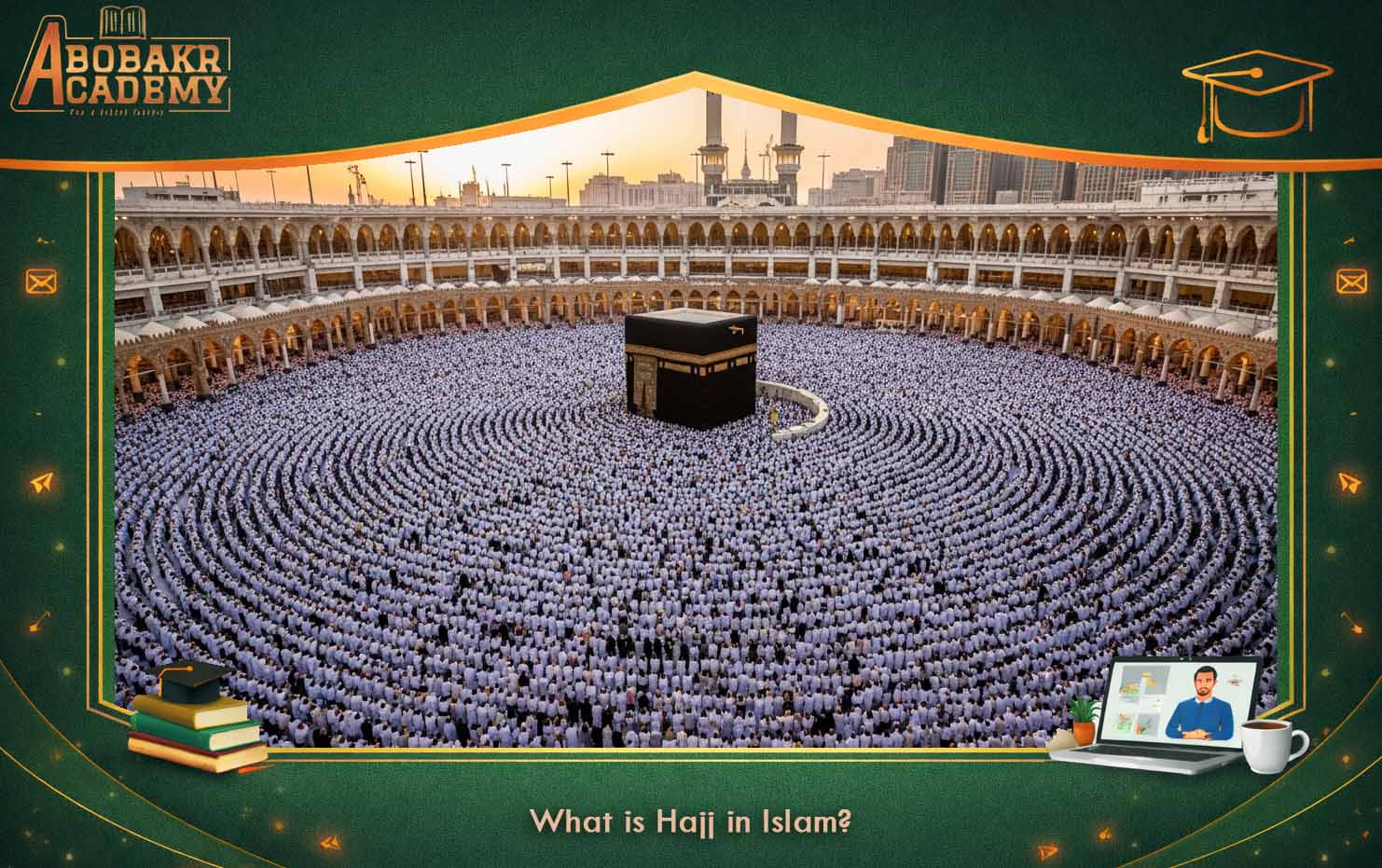
Hajj is one of the five pillars of Islam and a major act of worship that involves traveling to Makkah to visit the Kaaba, the sacred house of Allah. It was first established by Prophet Ibrahim (Abraham) and his son Ismail (AS), and later completed and perfected by Prophet Muhammad ﷺ, who showed Muslims the correct way to perform it during his Farewell Pilgrimage.
Every ritual of Hajj carries deep spiritual and historical meaning. It teaches obedience to Allah, patience, humility, and unity among Muslims from all over the world. Pilgrims follow the footsteps of the prophets through acts such as Tawaf, Sa’i, standing at Arafah, and other sacred rites.
Allah says in the Quran:
“ولله على الناس حج البيت من استطاع إليه سبيلا” (Surah Aal-Imran 3:97)
This verse shows that Hajj is obligatory only for those who are physically and financially able to perform it.
Reciting the Quran with a teacher listening
Whether you want to improve your recitation, master Tajweed rules, memorize the Quran, or deepen your understanding of its meanings, our qualified and supportive teachers are ready to guide you step by step with care and clarity.
Each lesson is personalized according to your level, ensuring that you learn in a comfortable and flexible online environment that supports both educational progress and spiritual growth. Our interactive teaching methods make learning engaging, simple, and effective for students of all ages.
Our Quran tutors are Ijazah certified, many of them trained at Al-Azhar, and lessons run one to one so every line you recite is actually heard.

Importance of Hajj
Hajj holds a unique position in Islam for several reasons:
- It is one of the five pillars of Islam
- It symbolizes unity among Muslims worldwide
- It teaches patience, humility, and discipline
- It is a means of forgiveness for past sins
- It strengthens the connection between a believer and Allah
The Prophet Muhammad ﷺ said:
“Whoever How to perform Hajj and does not commit any obscenity or wrongdoing, he will return like the day his mother gave birth to him.”
This hadith shows the spiritual purity gained after completing Hajj sincerely. A personal Quran teacher from Abobakr Academy provides one-to-one personalized lessons to help students improve recitation, master Tajweed, and memorize the online quran courses at their own pace.
When is Hajj Performed?
- Hajj takes place every year during the Islamic month of Dhul-Hijjah.
- It is performed from the 8th to the 13th of Dhul-Hijjah.
Main days of Hajj:
- 8 Dhul-Hijjah: Start of Hajj, pilgrims go to Mina and begin the journey.
- 9 Dhul-Hijjah: Day of Arafah, the most important day where pilgrims pray and seek forgiveness.
- 10 Dhul-Hijjah: Eid al-Adha, includes sacrifice, stoning Jamrat al-Aqabah, and major rituals like Tawaf and Sa’i.
- 11–12 Dhul-Hijjah: Days of Tashreeq, continued stoning of the Jamarat and staying in Mina.
- 13 Dhul-Hijjah (optional): Final day for those who stay longer to complete the last stoning.
- Hajj rituals are performed in a fixed order during these days.
- Each day has specific acts of worship that complete the pilgrimage journey.
Abobakr Academy is considered a best online quran academy , providing flexible, interactive, and personalized Quran learning for students worldwide with expert teachers.
Preparation Before Hajj
Before entering the pilgrimage, a Muslim must prepare both spiritually and practically. This includes:
- Sincere repentance from sins
- Paying debts and resolving disputes
- Learning the rules and rituals of Hajj
- Preparing physically for travel and crowd conditions
- Strengthening patience and intention
The intention is the foundation of the entire journey, as actions are judged by intentions in Islam.
Main Types of Hajj in Islam
Before learning Hajj step by step, it is important to understand its three types:
1. Hajj Tamattu
This is the most common type among pilgrims. It involves performing Umrah first, exiting Ihram, and then re-entering Ihram for Hajj. A sacrifice is required for this type.
2. Hajj Qiran
In this type, the pilgrim performs both Umrah and Hajj in one Ihram without exiting in between. The pilgrim remains in the state of Ihram throughout the entire period.
3. Hajj Ifrad
This type involves performing only Hajj without Umrah. It does not require an animal sacrifice.
Each type is valid, and pilgrims choose according to their situation and travel arrangements. However, Hajj Tamattu is widely recommended for ease and flexibility.study quran online with Abobakr Academy, where students can learn recitation, Tajweed, and memorization through flexible and interactive lessons with qualified teachers from anywhere in the world.
How to Prepare for Hajj: Essential Steps Before the Journey
Proper preparation is essential for a smooth and successful pilgrimage. Before traveling for Hajj, every Muslim should make careful arrangements and prepare both spiritually and practically to ensure they can perform the rituals correctly and with peace of mind.
- Choose the type of Hajj they intend to perform (Tamattu, Qiran, or Ifrad).
- Arrange travel documents, accommodation, and official permits in advance.
- Learn the basic rules of Ihram and understand the step-by-step Hajj rituals clearly.
- Seek sincere forgiveness from Allah and settle any debts, rights, or disputes with others.
- Prepare physically by improving health and mentally by strengthening patience and focus.
In addition, many pilgrims benefit from studying before the journey through trusted educational platforms such as Abobakr Academy, which explains Hajj rituals in a simple and structured way. Good preparation helps the pilgrim perform Hajj correctly and with full spiritual awareness.
Hajj Step by Step Guide
is a simple and structured explanation of how to perform Hajj correctly from start to finish, covering every ritual in the proper order. It helps Muslims understand each stage of Hajj clearly so they can perform this sacred journey with confidence and devotion.
1. Intention (Niyyah)
The pilgrimage begins with a sincere intention in the heart. The intention must be purely for the sake of Allah, without any worldly purpose or showing off.
2. Entering Ihram
Before crossing the Miqat boundary, the pilgrim enters Ihram. This includes wearing special clothing and avoiding certain actions. Ihram represents purity, equality, and devotion.
Men wear two white seamless cloths, while women wear modest clothing that covers their body properly. Perfume, cutting hair, and other restrictions become prohibited once Ihram begins.
3. Talbiyah
After entering Ihram, the pilgrim begins reciting the Talbiyah frequently:
“Labbayk Allahumma Labbayk…”
This declaration expresses submission to Allah and readiness to obey Him.
4. Arrival in Makkah and Tawaf
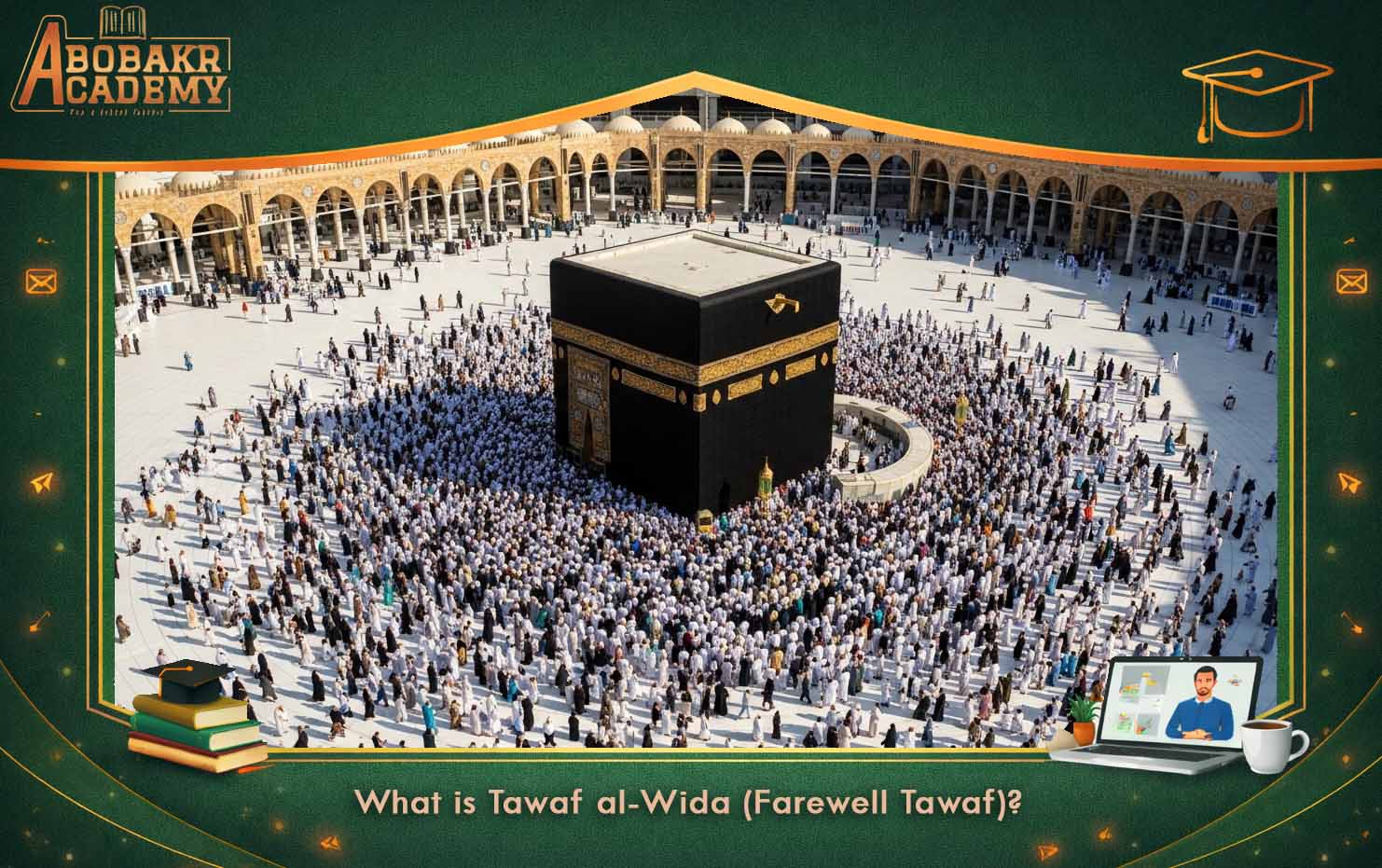
Upon reaching Makkah, the pilgrim performs Tawaf by circling the Kaaba seven times in a counterclockwise direction. This act symbolizes unity in worshiping Allah alone.
5. Sa’i Between Safa and Marwah
After Tawaf, the pilgrim performs Sa’i by walking seven times between the hills of Safa and Marwah. This commemorates the struggle of Hajar (AS), who searched for water for her son Ismail (AS).
6. Mina (8th Dhul Hijjah)
On the eighth day of Dhul Hijjah, pilgrims travel to Mina. They spend the day and night there in prayer and remembrance of Allah.
7. Day of Arafah (9th Dhul Hijjah)
The Day of Arafah is the most important day of Hajj. Pilgrims gather on the plain of Arafah, where they pray, repent, and seek forgiveness until sunset. It is a day when Allah frees many people from Hellfire.
8. Muzdalifah
After sunset, pilgrims move to Muzdalifah. They pray Maghrib and Isha together and spend the night collecting pebbles for the next ritual.
9. Rami (Stoning of Jamarat)
Pilgrims return to Mina and throw pebbles at the largest pillar (Jamarat al-Aqabah), symbolizing rejection of evil and temptation.
10. Sacrifice (Hady)
For pilgrims performing Tamattu or Qiran, an animal sacrifice is performed as an act of devotion and gratitude to Allah.
11. Shaving or Trimming Hair
After the sacrifice, pilgrims shave or trim their hair. This marks partial release from Ihram restrictions.
12. Tawaf al-Ifadah
Pilgrims return to Makkah to perform another essential Tawaf known as Tawaf al-Ifadah. This is a key pillar of Hajj.
13. Days of Tashreeq
Pilgrims stay in Mina for additional days, continuing the stoning ritual at all three Jamarat.
Common Mistakes During Hajj
During Hajj, many pilgrims may unintentionally make mistakes that affect the quality and correctness of their pilgrimage. Being aware of these errors helps ensure a more meaningful and accepted Hajj.
- Ignoring the proper sequence of rituals, which can affect the validity of certain acts of worship.
- Believing that the Jamarat physically represents Shaytan, rather than understanding it as a symbolic act of rejecting evil.
- Leaving Arafah before sunset, which is a serious mistake since standing in Arafah until sunset is part of the Sunnah.
- Excessive focus on photography or taking selfies instead of concentrating on worship, supplication, and remembrance of Allah.
- Lack of proper preparation before arrival, including not learning the rites of Hajj in advance.
Avoiding these mistakes helps pilgrims stay focused, perform the rituals correctly, and gain the full spiritual benefit of Hajj.